
































Single API Integration
Single API integration connects your system to one external service, in one direction or…
from $229
 Dental Clinic website
from $199
 Law Firm website
from $249
 Café and Restaurant website
from $249
 Real Estate Agency website
from $349
 Beauty Salon and Hairdresser website
from $229
 Clinic and Medical Practice website
from $249
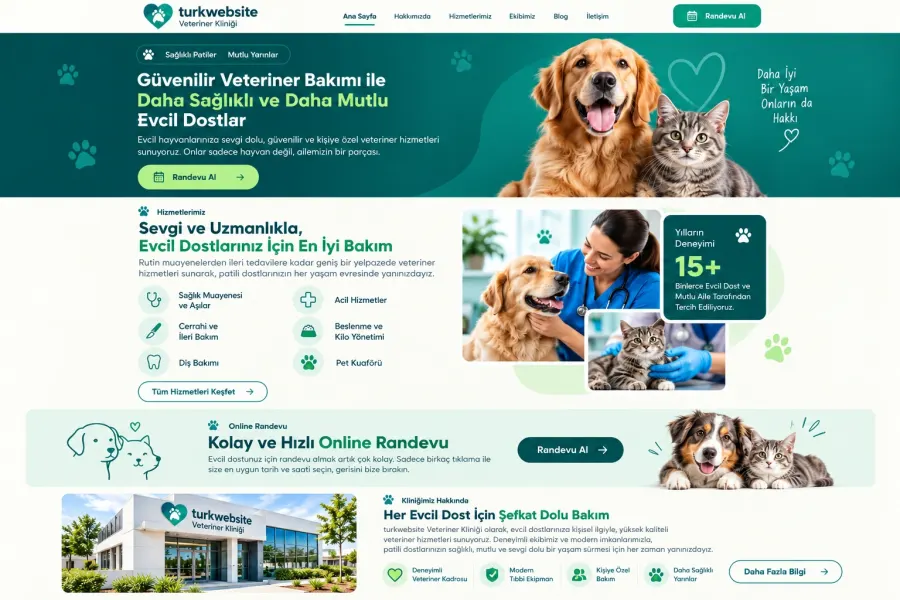 Veterinary Clinic website
from $249
 Architecture Office website
from $249
API and Integration · Delivery: 3 to 6 weeks
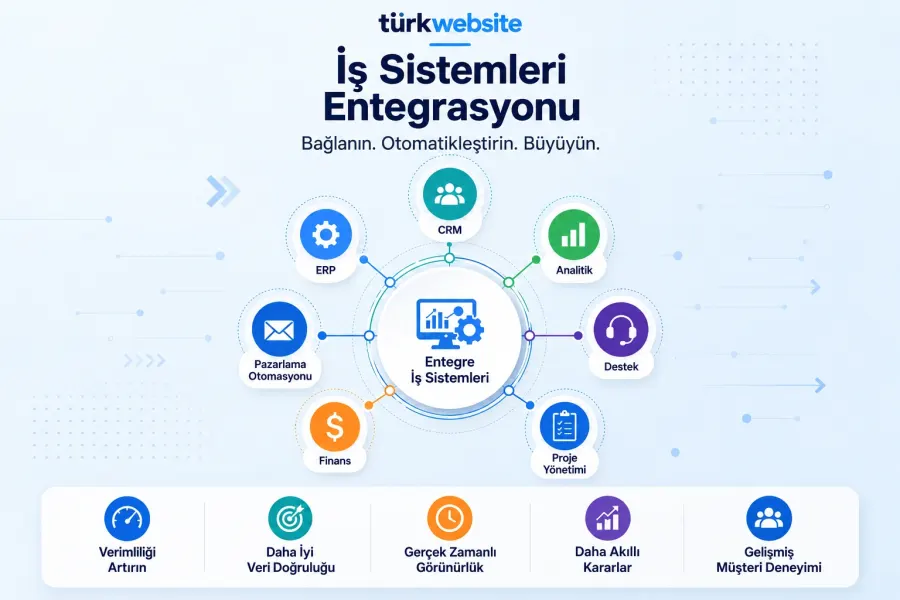
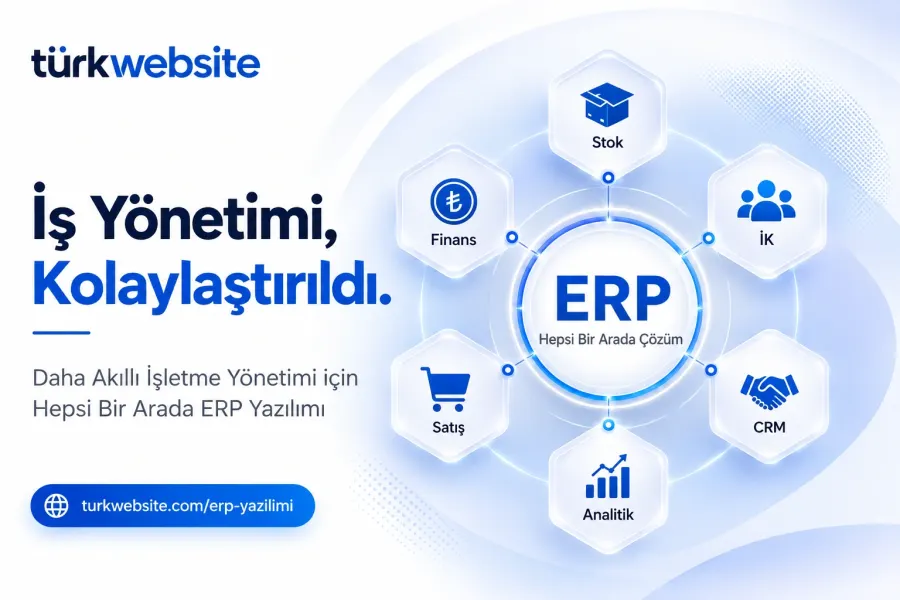
Multi-system integration connects three or more applications (ERP, accounting, e-commerce, CRM, shipping, marketplaces) into a single data flow. We start with a system inventory and architecture, bring the connections live in stages, then set up central error handling and a monitoring panel. It is for businesses that want to stop moving data by hand and end the mismatch between systems.
Multi-system integration is a project that makes three or more of your applications exchange data automatically. Orders, stock, invoices, customers and shipping information move through a single flow, so the same record never has to be typed into a second screen.
ERP and accounting software, e-commerce platforms, marketplaces, CRM, carriers, payment providers and reporting tools are the typical connection points. Which systems are involved and which direction each piece of data flows is defined at the start of the project.
Turning on every connection at once makes it hard to find the source when something fails, and it stops the operation. Bringing connections live in sequence lets each step be verified on its own without putting the live system at risk.
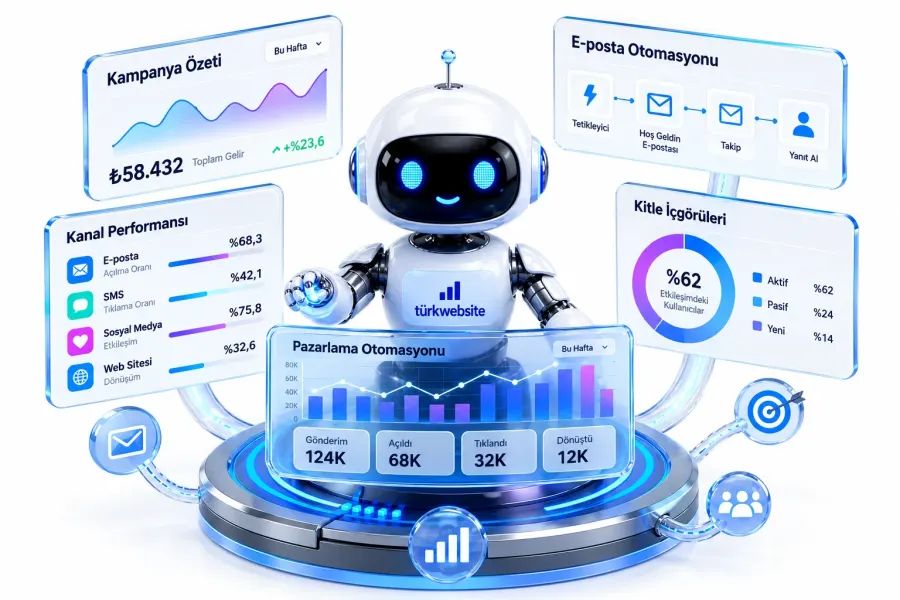
The biggest risk in integration work is a transfer failing silently. The monitoring panel shows which transfer ran when and which one failed, and failed records can be retried, so problems are noticed before a customer sees them.
Pricing depends on how many systems are connected, how capable each API is, data volume and the level of automation required. The starting price is a pre-analysis estimate; a fixed quote follows once the scope is clear. Third-party licence and API fees are not included.
List your systems and we will map which flows should be automated together.


Single API integration connects your system to one external service, in one direction or…
SMS and email notification integration makes automatic messages go out at the right…
Virtual POS and payment system integration connects your site to a bank or payment…
Shipping integration ends manual data entry between your order screen and the carrier…
E-commerce and marketplace integration keeps product, stock, price and order data in sync…
CRM integration makes enquiries from your website forms, WhatsApp, online store and phone…
The first call is free. If you have a domain or an existing site, send us the link; we reply within 1 business day.