








How to Earn Money Online with Email Marketing
How do you start earning online with email marketing? This guide covers affiliate marketing, CPA marketing, choosing a niche, building an email list and the basics of automation, step by step. Part one of our Earning Money Online guide series.
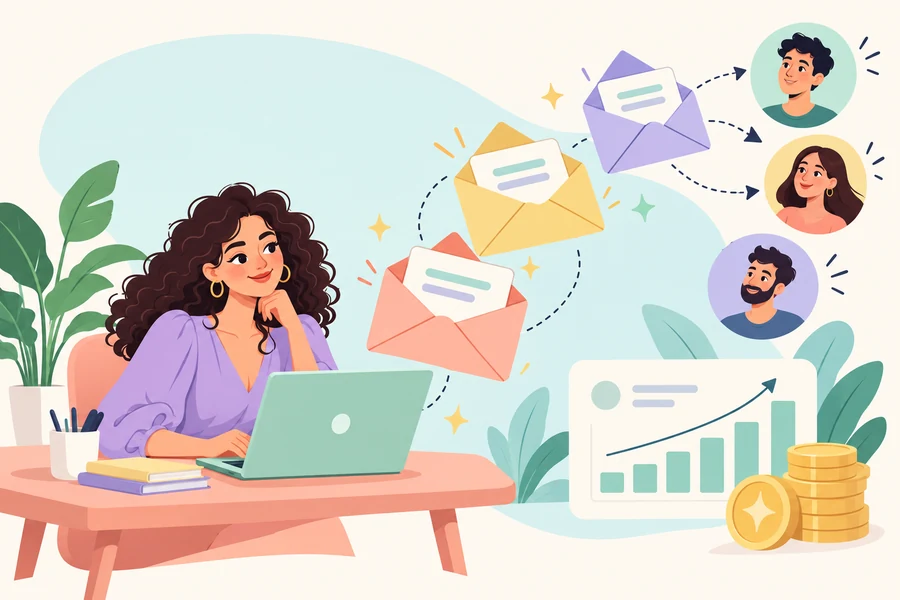
Do you want to earn money online but don't know where to start? Maybe you are thinking about starting a blog, joining an affiliate programme or building a steady income with email marketing. There are countless methods, tools and courses in front of you. But the first step in building a successful online business is not learning which software to use; it is deciding what you want to achieve.
Email marketing is one of the most important ways to build an audience online and stay in touch with it over the long term. Combined with affiliate marketing, CPA marketing and marketing automation, it can become the foundation of several different income models. None of these methods guarantees income on its own, though. You need the right audience, genuinely useful content and a planned approach.
In this article we look at how email marketing works, why you need clear goals before trying to earn money online, how to choose a niche and the basics of building a high-quality email list. We also cover the mistakes beginners often make in digital marketing and how to plan your first steps.
This article is the first part of our Earning Money Online and Email Marketing Guide series. In the following parts we will cover list-building methods, useful tools, automation systems and affiliate strategies in practice.
What's in this guide?
- What is email marketing?
- Setting goals before you earn money online
- Why does email marketing matter?
- What is affiliate marketing?
- What is CPA marketing?
- Affiliate marketing vs CPA marketing
- What is a niche and how do you choose one?
- How do you define your target audience?
- Why does an email list matter?
- How do you build a high-quality email list?
- Giving value and building trust
- What is email automation?
- Is passive income possible with email marketing?
- Common beginner mistakes
- Planning your first email campaign
- An example strategy for beginners
- How do you measure email marketing success?
- A five-day starter plan
- Conclusion and part two of the series
What is email marketing?
Email marketing means a business, content creator or online entrepreneur sending content, updates, product recommendations and offers by email to people who have agreed to receive them.
If you have ever bought from an online shop or subscribed to a blog's newsletter, you have probably seen it in action. New product announcements, discount alerts, free courses and weekly content round-ups are all common examples of email marketing.
A successful system is more than sending promotional emails, though. You need to understand why people subscribed, meet their expectations and regularly send them useful information.
How does email marketing work?
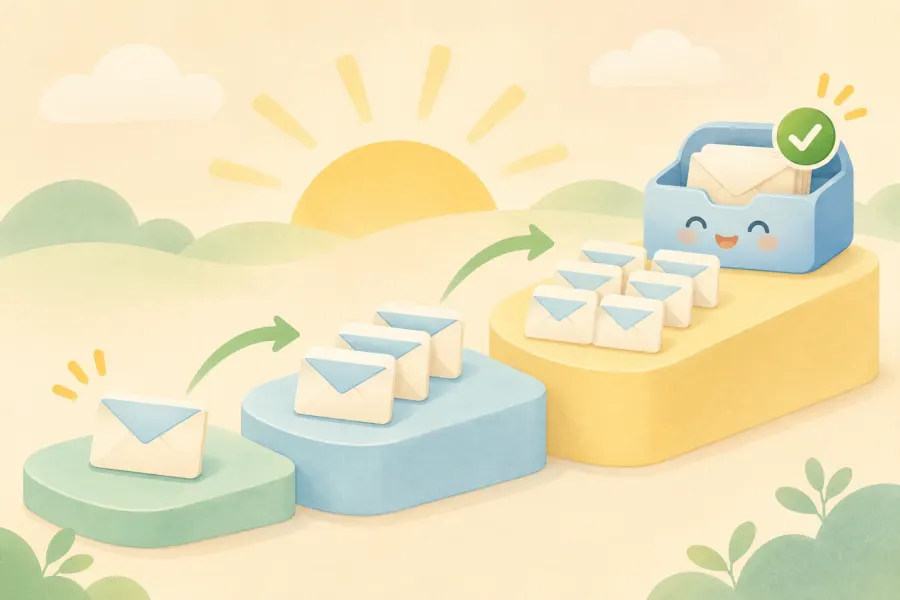
The basic process is simple. First you reach visitors who are interested in a particular topic. Then you give them a reason to join your email newsletter. Once they subscribe with their explicit consent, or on another valid legal basis, you can start sending the content you have planned.
Imagine you run a blog that shares healthy recipes. You could offer visitors a free one-week meal plan. People who want the plan can join your email list to get it.
Over the following days you can send new recipes, shopping tips and content that matches their interests. Over time, this relationship can also create opportunities to recommend relevant products.
The goal is not just to collect email addresses, but to build a content and communication system that people want to come back to.
Why should you set goals before trying to earn money online?
Many people start digital marketing by researching tools. They focus on questions such as which email software is best, which ad platform brings the most traffic or which affiliate programme pays the highest commission.
These questions matter. But the real question to answer at the start is what the system you are building is actually for.
For example, someone who wants to sell their own products will follow a very different path from someone who wants to earn commission by promoting other brands' products.
Which questions should you ask yourself when setting goals?
- Which area do I want to work in online?
- Will I sell my own product or promote other people's as an affiliate?
- Which problems of my target audience can I solve?
- Why should people follow my content?
- Do I need to build a website or blog?
- How much time can I spend on this each week?
- Which results will I use to judge success?
Write your answers down. Later, whenever you come across a new method or tool, check whether it really helps you reach the goals you set.
For example, if your aim is long-term organic traffic, learning about SEO and search visibility may be the most useful step. If you sell a specific product, your product pages and the checkout experience may come first.
You don't need to use every method at the beginning. Choosing one goal and building a system around it is a far more manageable approach.
Why does email marketing matter?
Today many businesses reach their customers through social media, search engines and ad platforms. Each of these channels has its own limits.
Even if you have thousands of followers on social media, not every post reaches all of them. How widely a post is shown depends on user behaviour and on the platform's distribution system.
With email marketing, you can send messages directly to the people on your permission-based list. Delivery and reading still depend on technical and behavioural factors, of course.
The main advantages of email marketing
- Direct communication: You reach your subscribers through a channel you control.
- Targeting: You can send different content to people with different interests.
- Automation: You can prepare recurring emails in advance and send them automatically.
- Measurement: You can track results such as clicks, sign-ups and conversions.
- Long-term relationships: Useful content keeps your existing subscribers engaged.
- Different income models: You can promote your own products or suitable affiliate offers.
Email marketing does not have to replace social media or SEO. These channels can work together.
For example, you can attract visitors through a website, offer a subscription in exchange for useful content and use email to bring those visitors back to your site.
What is affiliate marketing? How does it work?
Affiliate marketing is a digital marketing model in which you promote another company's product or service and earn a commission when certain conditions are met.
Imagine you run a blog for people who work from home. You might publish content about desks, ergonomic chairs, computer accessories and productivity tools.
Once a brand accepts you into its affiliate programme, it may give you personal tracking links. When visitors make a qualifying purchase through those links, you can earn a commission.
Do you need your own product to do affiliate marketing?
No. One of the key features of affiliate marketing is that you don't need to own the product you promote.
That does not mean selling comes without responsibility. You must not share false or misleading product information, you should clearly disclose commercial links, and you must follow the programme's rules.
Promoting unrelated products just because the commission is high can also damage your visitors' trust.
That is why it is important to decide which area you will specialise in before you start.
What is CPA marketing?
CPA stands for Cost Per Action: a payment model in which you are paid for each completed action.
In CPA marketing, payment is made when an action defined by the advertiser takes place.
The action depends on the campaign. It may be a user completing a sign-up form, installing an app or making a purchase.
It is a mistake to start promoting a CPA offer before you understand its payment terms. Which actions count as valid, which traffic sources and countries are allowed, and other conditions vary from offer to offer.
Why does the target audience matter in CPA marketing?
Suppose you are running a sign-up campaign for a particular piece of software. Reaching thousands of people who have no interest in that software does not mean the right users will complete the offer.
It makes far more sense to reach people who genuinely need the problem the software solves.
This applies to all performance marketing, not just CPA: how relevant the offer is to the people you reach matters as much as how many people you reach.
What are the differences between affiliate marketing and CPA marketing?
The two models are similar, but the way you get paid is not always the same. Many affiliate programmes focus on sales commission, while CPA campaigns can pay for actions other than a purchase.
| Feature | Affiliate Marketing | CPA Marketing |
|---|---|---|
| Main goal | Promoting a product or service | Getting a defined action completed |
| Payment condition | A sale or another conversion, depending on the programme | The defined action taking place |
| Example | Promoting a product and earning a sales commission | Getting paid for a valid sign-up or app install |
| What matters most | A relevant product and a trustworthy recommendation | Accurate targeting and the offer's terms |
| Guaranteed income | No | No |
Which model suits you better depends on your audience, your content area, your traffic sources and the programme terms.
You don't have to use both at the start. Learning one business model first and measuring its results is usually easier.
What is a niche and how do you choose one?
One of the first terms beginners in digital marketing come across is niche.
A niche is a smaller part of a broad market made up of people with specific needs or interests.
Fitness, for example, is a very broad topic. Working out at home is narrower. Beginners doing equipment-free home workouts form an even more specific audience.
When you focus on an area like this, it becomes much easier to know who your content is for.
Why does choosing a niche matter?
On a blog that writes about everything, it can be hard to find what visitors have in common. A blog focused on one topic, on the other hand, can answer the questions of a particular group of readers in much more depth over time.
A site about plant-based eating, for example, might focus on:
- Vegan eating guides for beginners.
- Weekly meal plans and shopping lists.
- Quick plant-based recipes.
- Comparisons of kitchen tools and equipment.
- Beginner-friendly eating habits.
Because readers of this content share the same interest, they are more likely to join a related email newsletter.
How do you find the right niche?
Start with topics you know about or are keen to learn. Then research the questions people ask about them.
Look at search queries, forum discussions and the problems people are trying to solve.
Popularity alone does not make a niche right for you. Consider competition, audience size, how much content you can realistically produce and the opportunities to recommend products, all together.
A good niche is one where you can offer readers real value and keep producing content for a long time.
How do you define your target audience?
Once you have chosen a niche, the next step is to describe in more detail who you want to reach.
"People who want to sell online", for example, is very broad. "Entrepreneurs who want to open their first online shop on a small budget" describes a much clearer audience.
You can assume people in the second group need information on start-up costs, choosing products, shipping and finding customers.
What should you research to understand your audience?
- Which problem are they trying to solve?
- Where are the gaps in their knowledge?
- Which questions do they search for online?
- Which products or services are they comparing?
- What makes them hesitate before buying?
- What kind of content do they prefer to read?
Your answers will guide your blog topics, your email content and the products you choose to recommend.
If you focus on e-commerce, for example, you can create content based on the real problems people face when setting up an online shop.
Why does an email list matter?
There is a saying you will often hear in digital marketing: "The money is in the list."
It describes the potential of an audience of email subscribers. But the commercial value of a list cannot be measured by its size alone.
Having 10,000 people on your list does not mean they are interested in your products or read your emails.
A permission-based, active community of 500 subscribers interested in one specific topic may be a better fit for some campaigns.
Which matters more in an email list: size or quality?
Let's compare two scenarios.
In the first, you have a list of 20,000 subscribers, but most of them are not interested in what you send.
In the second, you have only 1,000 subscribers. They signed up voluntarily for a specific topic and engage with your content regularly.
The second list may well achieve higher engagement or conversion rates. That is not always the case, but it shows why the quality of your list matters.
So instead of collecting random email addresses, aim to build a community of people who are genuinely interested in a particular topic.
How do you build a high-quality email list?
The starting point for a permission-based email list is explaining to visitors why they should subscribe.
Instead of a form that only says "Enter your email address", you can create an offer that clearly explains what subscribers will get.
1. Create a useful free resource
You could offer a guide, checklist, template or short course that interests your visitors.
For people who want to sell online, for example, you might offer a PDF called "What to Check Before Opening Your First Online Shop".
The topic of this resource should be directly related to the interests of the subscribers you want to attract.
2. Use a clear, simple sign-up form
State on the form what kind of emails you will send. Don't ask for personal information you don't need.
Follow the data protection and electronic marketing rules that apply to you and to the people you email, such as the GDPR in Europe, PECR in the UK or CAN-SPAM in the US. Collect the required consent properly, give people the information they are entitled to and make unsubscribing easy.
3. Place it in relevant spots on your website
You can show the form at the end of blog posts, next to related guides or on a dedicated sign-up page.
Avoid intrusive forms that stop visitors from reading the content.
4. Keep your promise after people subscribe
If you said you would send a free guide, send it. If you promised weekly content, set up a publishing schedule that matches.
These small details are the foundation of trust.
5. Try to understand what subscribers care about
Check which links in your emails get the most attention. Take feedback into account and improve your content based on what subscribers expect.
Why should giving value come before selling?
When someone joins your email list, they may not be ready to buy straight away.
Someone researching how to start an online business, for example, may first want free information. They may not have decided which platform to use or what to sell yet.
Trying to sell to that person from the very first email may not get the result you hope for.
Instead, start with content that meets their need for information.
Ways to build trust with subscribers
- Share information that answers real problems.
- Avoid exaggerated claims when recommending products.
- Keep your sending frequency consistent.
- Don't send campaigns unrelated to the topic.
- Clearly disclose commercial partnerships.
- Respect unsubscribe requests.
Trust is not built overnight. Your readers' experiences, your tone and the quality of the information you share add up over time.
So use email marketing not only for sales messages, but also to keep delivering useful content.
What is email automation and how does it work?
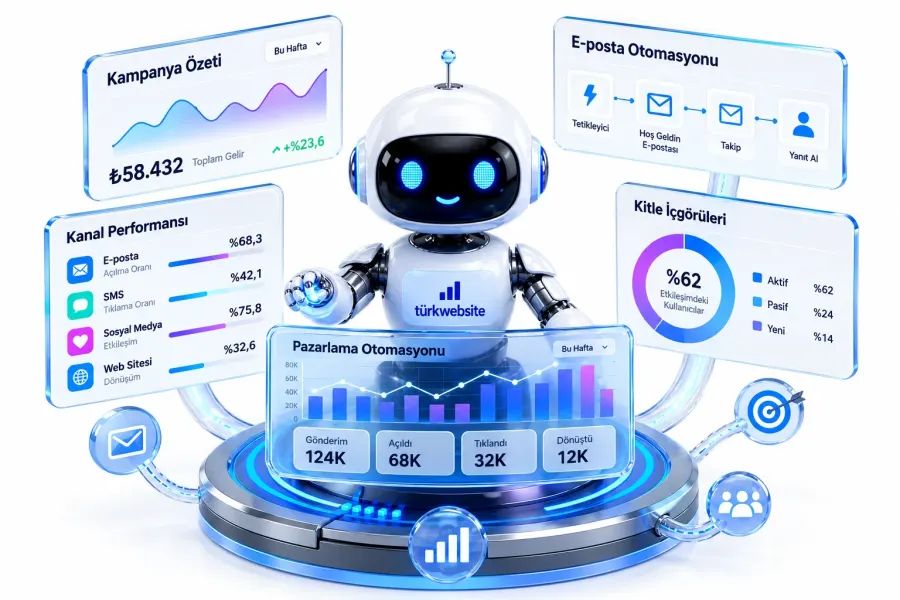
Email automation is a system that automatically sends pre-written messages when a specific condition is met.
For example, you can send an automatic welcome email to anyone who subscribes through a form on your website.
A few days later, in line with the purpose of the subscription, you can share new content or a useful guide.
You don't have to do this manually for every new subscriber. A pre-built automation flow kicks in when the conditions you set are met.
A simple email automation example
- First email: Welcome the subscriber and deliver the free resource you promised.
- Second email: Share the basics of the topic the subscriber is interested in.
- Third email: Explain a common problem and suggest solutions.
- Fourth email: Send a more in-depth guide or a practical example.
- Fifth email: Where appropriate, recommend a relevant product or service and make clear that it is a commercial recommendation.
This is only an example flow. Not every subscriber needs to get the same number of messages at the same intervals.
You can create different flows based on subscriber behaviour, your preferences and the goal of the campaign.
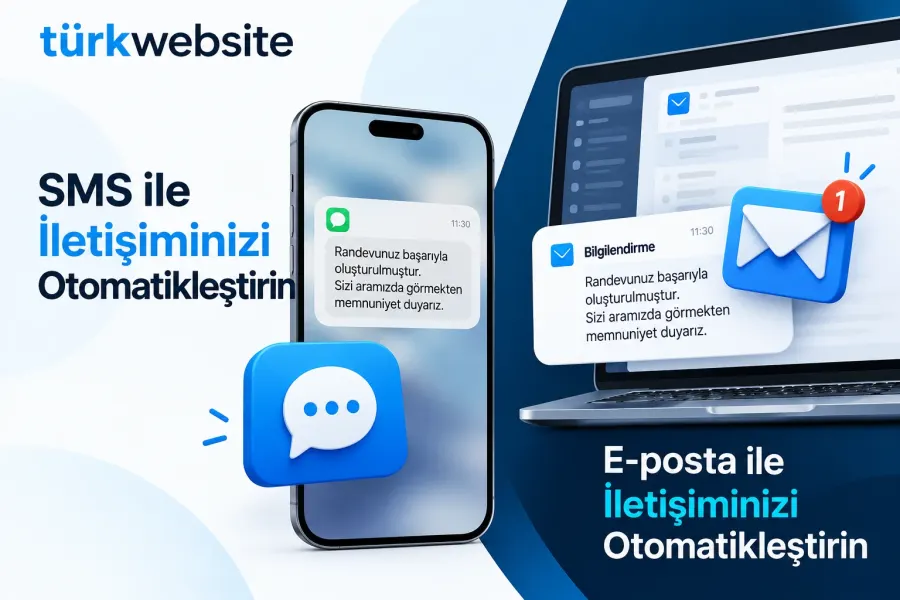
In more advanced systems, email processes can work together with customer records and other applications. If you are planning that kind of setup, take a look at bots and business process automation.
Does automation do everything on its own?
No. Email automation makes repetitive tasks easier, but writing the content, setting the sending rules and reviewing the results still need attention.
If data needs to move between several systems, you may need API integrations.
The aim of automation is not to remove human control completely, but to make certain processes more organised and easier to manage.
Is it possible to earn passive income with email marketing?
One of the most common promises in "earn money online" content is that you can set up a system once and then earn without doing anything.
Email marketing and affiliate marketing can indeed automate some processes. But that does not mean the income is guaranteed or completely effortless.
Let's say you create useful content on a particular topic, visitors join your newsletter and you set up an automated email series.
In that series you can recommend suitable affiliate products. If some subscribers buy them, you may earn income under the programme's terms.
But throughout the process there are things you need to check regularly:
- Your website attracting visitors.
- Your sign-up forms working.
- Your emails being delivered correctly.
- Your product links being up to date.
- Changes to affiliate programme terms.
- Your content staying useful to readers.
So don't think of passive income as income that takes no work at all.
A more accurate approach is to build a digital income system in which some tasks are automated but the whole still needs regular management.
Mistakes beginners make in email marketing
Some early mistakes waste time and can also damage the trust of the audience you are trying to build.
Mistake 1: Buying tools before setting goals
Subscribing to paid software before you know what kind of campaign you will run can create unnecessary costs. Decide what you need first, then choose the right tool.
Mistake 2: Trying to reach everyone at once
Working on many unrelated topics makes it harder to build a specific community that follows your content.
Mistake 3: Buying ready-made email lists
Email lists sold online may be unreliable and may not come with valid permission to contact people. Using them can lead to legal problems, spam complaints and damage to your sending reputation.
Mistake 4: Sending nothing but sales messages
Remember that subscribers did not join your list just to receive ads. Include informative, useful content as well.
Mistake 5: Setting unrealistic income expectations
Whether an email campaign earns money depends on the audience, the offer, traffic, trust and many other factors. Don't treat other people's income claims as your own likely earnings.
Mistake 6: Not tracking campaign results
If you keep sending messages without knowing which content gets attention, it becomes hard to improve your system. Review your key performance data regularly.
How should you plan your first email marketing campaign?
Now that you know the basic concepts, you can turn them into a simple campaign plan.
Step one: Choose your topic
Decide which area you will create content for. You might focus on digital marketing for small businesses, pet care, hobby products or e-commerce for beginners, for example.
Step two: Research your readers' needs
Find out which problems people face, what they search for online and which questions they cannot find answers to.
Step three: Create your first useful resource
Write a short guide or checklist on your chosen topic. Explain how people can use it.
Step four: Set up your sign-up system
Choose a suitable email service and plan a permission-based sign-up process. Check that the form works and that your privacy information is in place.
Step five: Write your welcome email
Tell new subscribers who you are, what kind of content you will send and how they can benefit from it.
Step six: Plan your content calendar
Decide on the topics of your first few emails, so you know what to write as soon as subscribers start coming in.
Step seven: Review the results
Check which content gets the most engagement. Where it makes sense, test different subject lines or content types to improve your campaign.
An example digital income strategy for beginners
To make this concrete, imagine you set up a content site for small businesses.
Your target audience is business owners who want to launch their own website or find customers online.
You could offer them a free guide called "Digital Marketing Starter Checklist for Small Businesses".
The guide could cover choosing a domain name, planning a website, basic SEO and online visibility.
You send this guide to new subscribers first. In later emails you explain how to build a website, create content and measure results.
Over time, you can look into affiliate programmes for software or services that fit the topic and recommend suitable products.
The idea behind this approach is to meet people's need for information first, then offer solutions that match their needs.
If a business needs detailed information about building its website, for example, you can point it to explanatory content such as our guide to planning a business website.
Remember, this is an example strategy. It is not a forecast or a guarantee of income.
How do you measure success in email marketing?
Looking only at your total number of subscribers is not enough to know whether your campaigns are working.
You need to look at several metrics together.
Sign-up rate
Shows what share of the people who see your sign-up form or visit your sign-up page actually subscribe.
Email deliverability
Refers to how many of your emails actually reach recipients' inboxes. Invalid addresses and a poor sending reputation can hurt delivery.
Open rate
Used to estimate what share of your messages are opened. Because of privacy protections and the way some email apps work, open data is not always accurate.
Click-through rate
Shows how many people clicked the links in your emails. It helps you understand whether your content moves readers to act.
Conversion rate
The share of people who complete the action you set as your goal. That might be a purchase, a sign-up or another relevant action.
Unsubscribe rate
Shows how many people leave your list after your emails. Irrelevant content or a sending frequency that doesn't match expectations can push this rate up.
Look at these metrics together rather than one by one. A high click-through rate, for example, does not always mean high sales.
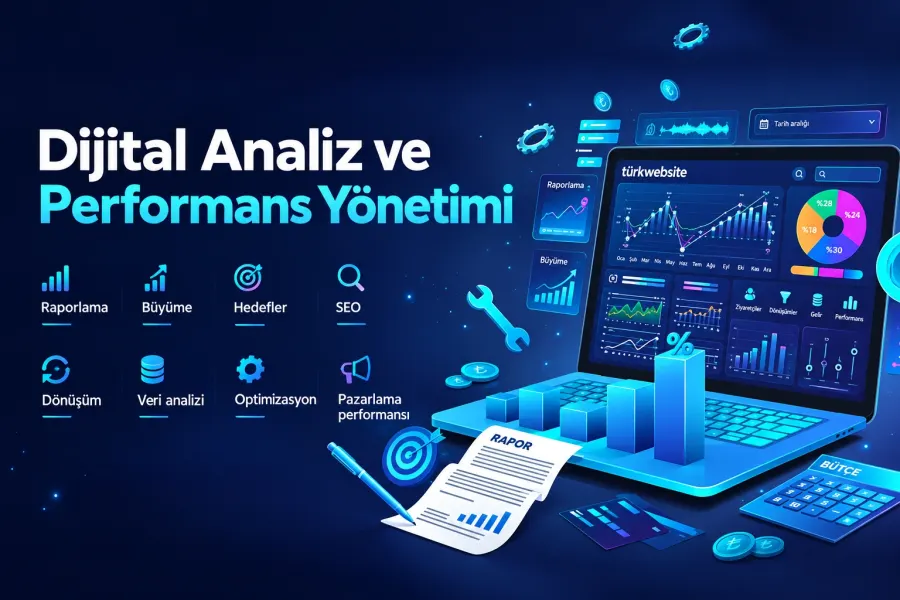
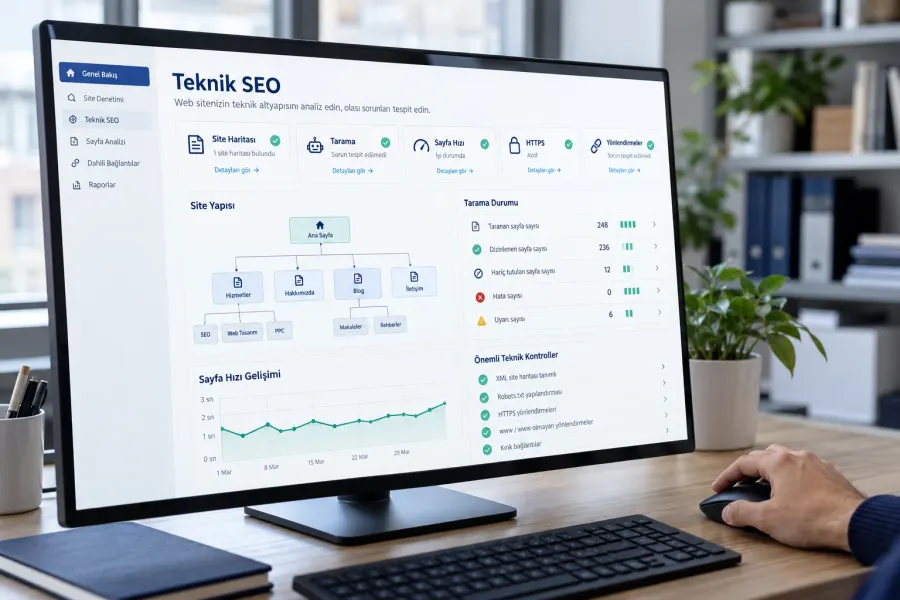
If you also want to track your website's overall visibility, you can learn more about monthly SEO management and performance tracking.
A five-day starter plan for learning email marketing
Instead of trying to learn every digital marketing technique at once, you can make progress with small tasks.
- Day one: Decide on your topic. Write down your target audience and the income model you want in a few sentences.
- Day two: Research the questions people in your chosen area ask most often. Come up with at least 10 content ideas.
- Day three: Design a free guide or checklist you can offer visitors.
- Day four: Plan your permission-based sign-up process and draft your first welcome email.
- Day five: Decide on the topics of your first three emails, what each is for and which results you want to measure.
After five days you probably won't have a system that earns money automatically. But you will see much more clearly what you want to do, who you are creating content for and which steps to take next.
Small but regular work at the start is enough to build a foundation for putting what you have learned into practice.
Conclusion: start earning online with the right goal
Email marketing, affiliate marketing and digital automation offer different opportunities for people who want to build a business online.
To use these methods successfully, you first need to understand your audience's needs. Simply reaching lots of people or constantly sharing sales links is not a sustainable strategy.
First decide where you can offer value. Then focus on reaching people who are genuinely interested in that topic and building trustworthy communication with them.
Build your email list with permission, keep the promises you make to subscribers and review your campaign results regularly.
Remember, digital marketing is not a single tool or platform. When SEO, quality content, user-friendly websites, email marketing and automation are considered together, you can build a much more complete approach.
What will we cover in part two of the series?
In this first part we covered setting goals, choosing a niche, affiliate marketing, CPA marketing and why email lists matter.
In part two we move into practice and look at how to build an email list from scratch, how to win subscribers and which methods you can use to collect email addresses with permission.
We will also look at free content offers, sign-up forms, landing pages and email marketing tools for beginners.
For more articles on digital marketing, earning money online and growing a business online, follow the TurkWebsite blog.
Next in the series: Part 2: How to Build an Email List from Scratch