





How to Create an Irresistible Offer: 7 Steps That Win Subscribers
Why should people give you their email address? With examples, we explain the four factors that determine an offer's value, a 7-step method to create one, when ready-made PLR products work and the limits of honest marketing in Turkey.
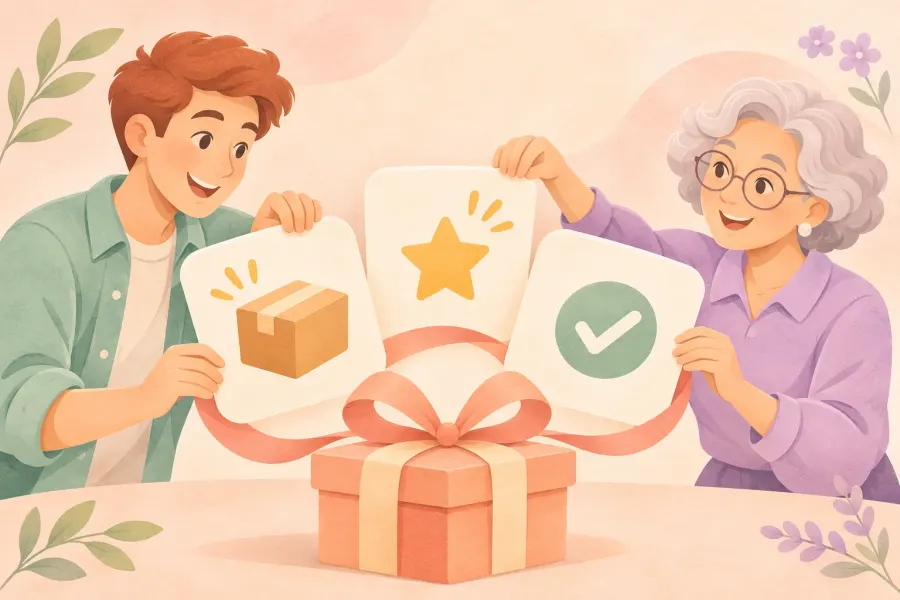
You have a niche, you know how to build an opt-in list and you've learned to keep it clean. Now we come to the real question: Why should someone give you their email address? The answer comes down to one thing: your offer.
In email marketing courses, this is called an irresistible offer. When people see the offer, they think "I can't miss this", click the link and sign up. The English source lesson explains that this offer could be a free course, a short e-book or a checklist to hang in the kitchen, and it uses vegan keto as the example niche.
In this guide we explain, with examples, what determines an offer's value, how to create one in 7 steps, when ready-made PLR products work, the offer ladder from free to paid and the limits of honest marketing in Turkey.
This article is the fifth part of our Making Money Online and Email Marketing Guide series. In previous parts we covered the basics of email marketing, building an opt-in list from scratch, paid email finder tools and list cleaning.
In short:
- An irresistible offer promises a specific person a specific result in an easy, believable way. Being "free" isn't enough on its own.
- Four things determine an offer's value: the desired result, the likelihood of achieving it, the waiting time and the effort required.
- Ready-made PLR products give you a quick start, but hundreds of people use the same text. Use them as raw material; don't publish them as they are.
- The lesson's method of "sending the offer to collected addresses to gather signups" is prohibited in Turkey: commercial messages can't be sent even to ask for consent.
- If you run a discount, show it honestly: since 1 August 2026, the pre-discount price in Turkey is the lowest price of the last 10 days before the discount started.
What's in this guide?
- What is an irresistible offer?
- What determines an offer's value?
- Creating an offer in 7 steps
- What are PLR products, and should you use them?
- The offer ladder: from free to the main product
- Where will you present your offer?
- Offer checklist
- Common mistakes
- Conclusion and the next part of the series
What is an irresistible offer?
An irresistible offer presents a result your target audience truly wants in a way that looks far more valuable than its cost. An offer isn't just the product itself; it's the product, how you present it and your terms combined.
In email marketing, the first offer is usually free: a checklist, a short guide or a mini email course. What you ask for in return isn't money but an email address and attention. In part two we called this first offer a lead magnet and explained what makes a good one. In this part we take the same principle further so that it extends to paid offers too.
The approach in the lesson: sending the offer by cold email
In the source lesson, the strategy works like this: an email containing the offer is sent to addresses collected from the internet; if the person likes the offer and leaves their address on the signup page, the "cold" address turns "warm" and then into a "hot" subscriber.
This flow doesn't work in Turkey. According to the Ministry of Trade, commercial electronic messages can't be sent to a recipient's address even to ask for consent. Present your offer where people come of their own accord: in your blog post, your video description, your profile link and the signup page you drive traffic to with ads.


What determines an offer's value? The four-factor value equation
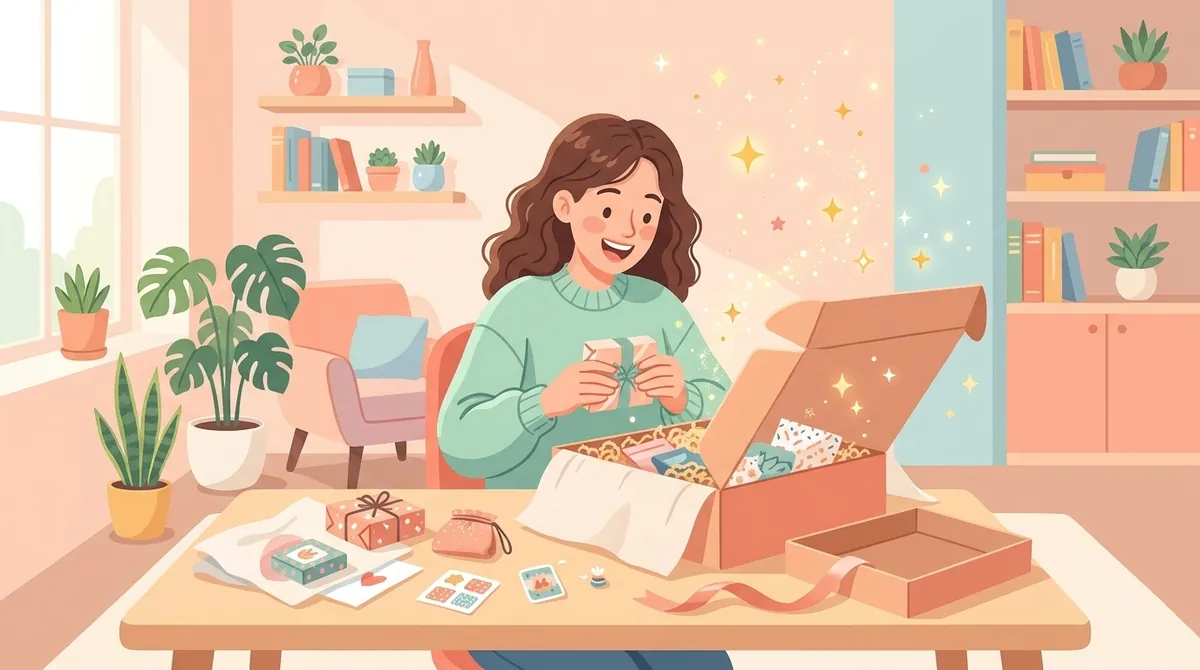
The value equation Alex Hormozi describes in his book "$100M Offers" explains with four factors why an offer looks attractive:
Perceived value = (Desired result × Likelihood of achievement) / (Waiting time × Effort required)
In other words, an offer's value rises as the result the person wants grows and as they believe they'll reach it; it falls as the time they must wait and the effort they must spend increase. In the vegan keto example, we can think of the four factors like this:
| Factor | Question to ask | Vegan keto example |
|---|---|---|
| Desired result | What does the person really want to achieve? | Sticking to the plan on weekdays without thinking about what to cook |
| Likelihood of achievement | Why should they believe they'll succeed? | Every recipe clearly lists the ingredients and preparation time |
| Waiting time | When will they see the first result? | Can be used right away for tonight's dinner |
| Effort required | How much work does it take? | A single shopping list, 15-minute recipes |
One warning matters here: raise the "likelihood of achievement" with evidence, not exaggerated promises. Promising an unrealistic result brings signups in the short term and unsubscribes and complaints in the long term.
Creating an irresistible offer in 7 steps
1. Say who you're writing for in one sentence
Not "people who eat vegan" but "working people who want to try keto but don't eat meat or dairy and have no time to cook on weekdays". The narrower the person an offer speaks to, the more that person recognises themselves in it.
2. Promise a concrete, honest result
"Your life will change" isn't a result. "You won't have to think about what to cook for a whole week" is a result. Stay away from promises you can't verify, such as guaranteed weight loss, curing illness or guaranteed earnings; they damage trust and may count as misleading advertising.
3. Choose the format
You can present the same result in different formats. The lesson says a free video course is the most valuable option but takes the longest to prepare. For a start, this table can guide you:
| Format | Preparation time | Best when |
|---|---|---|
| Checklist | Short | The reader wants to do one thing right |
| Template | Short | The reader doesn't want to start from a blank page |
| Short e-book | Medium | The topic can be explained in a few steps |
| Mini email course | Medium | The reader needs to take small steps over a few days |
| Video lesson | Long | The topic is understood better by showing |
| Calculator or tool | Long | The reader wants to see a result specific to their situation |
4. Add evidence
Give people a reason to believe you: a sample page from the content, your own experience, a real comment from a real reader. Don't use made-up reviews, fake download counts or imaginary expert titles.
5. Reduce the effort
Make the first benefit of your offer visible in the first five minutes. A printable one-page summary, a ready shopping list or a page that starts with "do this first" gets used more than a thick file.
6. Reduce the risk
With a free offer, the risk is the fear of getting unwanted email: say how often you'll write and that people can leave with one click. With a paid offer, write your refund and satisfaction terms clearly.
7. Use urgency only if it's real, and make a clear call to action
"Early-bird price until 30 November" is a strong reason if it's true. A countdown that restarts every time the page loads or a "last 3 spots" warning that never changes is deceptive. If you announce a discount in Turkey, mind the rule: under an amendment published in the Official Gazette of 1 July 2026 and in force since 1 August 2026, discount ads for goods must show as the pre-discount price the lowest price applied in the last 10 days before the discount started. For services, the price immediately before the discounted price is used. Digital products such as e-books also count as goods under consumer legislation.
Quick note: This section is for general information and is not legal advice. Check the current regulations that apply to you before publishing campaign and discount announcements.
What are PLR products, and should you use them?
The lesson suggests a shortcut for people without time: buying a product from sites that sell ready-made e-books and reports with the right to republish them under your own name. These products are called PLR, or Private Label Rights. As an example, the lesson says a 37-dollar PLR pack on vegan keto can be used as "your own book" by changing the title and cover.
The advantage of PLR
It's fast. Instead of starting from a blank page, you have a draft. If you don't know the topic well yet, it also helps you see what needs to be covered.
The risks of PLR
- Hundreds of people use the same text. Your reader may see the same book on another site, and your credibility suffers.
- Google doesn't like copied content that adds no value. Google's spam policies clearly treat publishing content taken from other sites without adding value, or combining different sources without adding anything original, as a problem. Putting PLR text on your blog as it is runs this risk.
- Quality and freshness are uncertain. Many PLR products were written years ago; the information may be outdated and the examples geared to a foreign market.
- Licence terms differ. Some packs allow only free distribution, others allow selling; some forbid changes. Read the licence text before buying.
How to use PLR the right way
See PLR as raw material, not a finished product. Take the structure, rewrite the text from scratch for your own readers, add your own experience and local examples, and remove health claims. The result is original content that carries your own knowledge.
Let's present your offer on a single page on your own domain
Let's build a signup page that loads fast on mobile, with the headline, promise, evidence and form all focused on one goal. TurkWebsite offers affordable web design; as long as your site stays on our server, hosting is free.
The offer ladder: from free to the main product
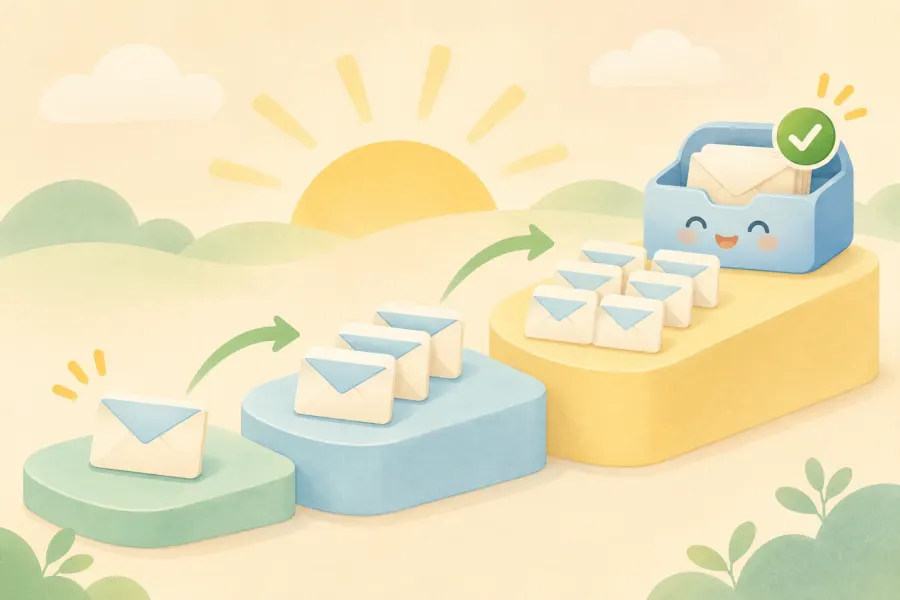
A single offer isn't enough. Build a sequence that moves your subscribers forward step by step. Each rung asks for a little more trust and budget than the last:
| Rung | Vegan keto example | Purpose |
|---|---|---|
| Free content | 7-day shopping list and 10 recipes | Winning subscribers |
| Low-priced entry product | 30-recipe e-book and weekly planner | Building the habit of a first purchase |
| Main product | 4-week video course and community | Generating the main income |
| Personal service | One-to-one menu consultation (with an expert) | Offering the highest value to the most engaged customer |
Two ideas from the lesson to watch: "share with 10 people" and "a video for 5 dollars"
In the lesson, people who download the free e-book are offered two options: share the book with 10 people and get the video for free, or buy the video for a few dollars.
The paid option is exactly the second rung of the offer ladder; as long as you state its price and content clearly, there's no problem. Be careful with the sharing idea, though: asking subscribers for their friends' email addresses and writing to them yourself means sending commercial messages without those people's consent. Give a shareable link instead; whoever wants to pass it on can do so themselves, and the person who arrives signs up of their own free will.


Where will you present your offer? Signup page, domain and tools
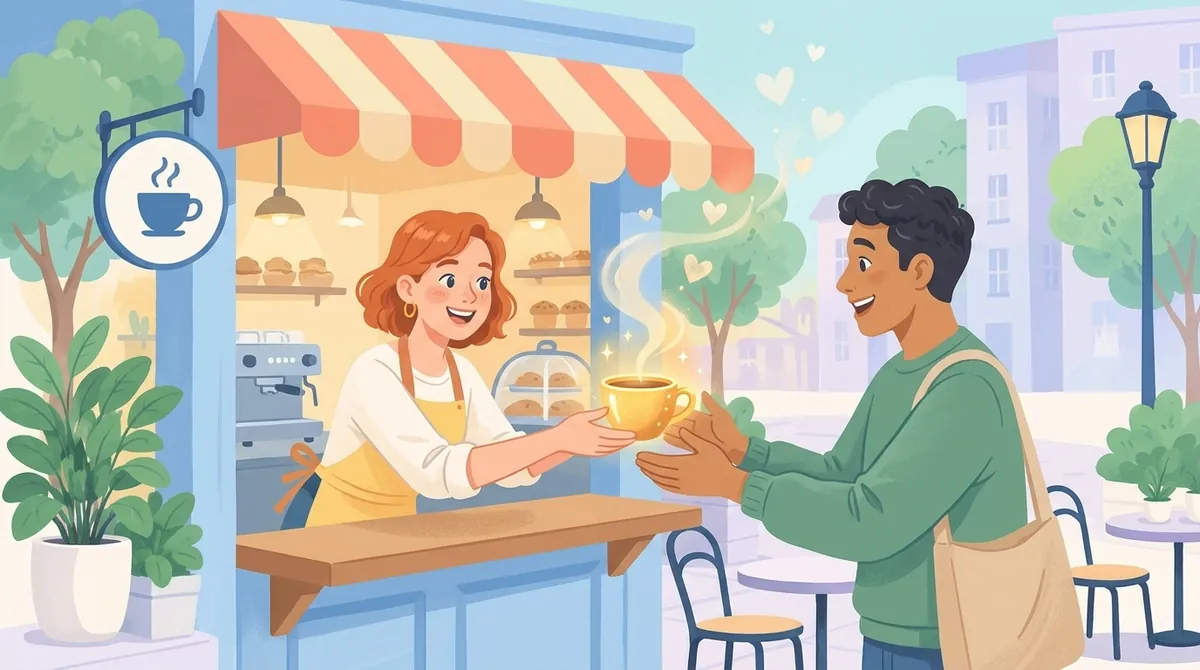
An offer only works when it's presented on the right page. The lesson uses GetResponse's ready-made signup page templates. Today GetResponse offers a 14-day free trial, and its signup page tool is part of the paid plans. MailerLite's free plan includes one landing page. Whichever tool you choose, the page layout is the same: a headline stating the result, who it's for, what's inside, evidence and a single form.
Your own domain and "1-dollar" offers
The lesson links to an offer for a domain at 1 dollar for the first year. Such offers are real, but they apply to the first year only. For example, IONOS states on its own page that it offers new customers a first-year price of 1 dollar or less, while common extensions like .com usually cost between 10 and 20 dollars a year. When buying a domain, look at the renewal price rather than the first-year price, and make sure the domain is registered in your name.
An illustrative example: the same e-book, two different offers
This story is fictional and meant to illustrate the method; names and numbers are examples.
Elif bought a PLR pack on vegan keto, changed the cover and set up a signup page titled "Vegan Keto E-Book: Free Download". Only 3 out of every 100 visitors coming from ads signed up, and most of them didn't even open the first email.
Elif rethought her offer using the value equation. She rewrote the book from scratch, added a shopping list of products available in local supermarkets and changed the page headline to "A 7-day vegan keto shopping list and ten 15-minute recipes for people who work weekdays". She added an image of one page of the book and wrote how often she would send emails.
With the same ad budget, 12 out of every 100 visitors started signing up. What changed wasn't only the product; it was who the offer spoke to, what result it promised, in how much time and with how much effort.
Offer checklist
Answer these questions before you publish your offer:
- Is it clear in one sentence who I'm speaking to?
- Is the result I promise concrete and verifiable?
- Can people see the first benefit within five minutes?
- Is my evidence real: a sample page, experience or a genuine comment?
- Have I written how often I'll send email and how to unsubscribe?
- Are my urgency and discount claims true and compliant with the regulations?
- Does the licence of any ready-made content allow this, and have I made the text original?
- Do I know what I'll offer my subscribers on the next rung?
Common mistakes
- Thinking the word "free" is enough on its own
- Using a generic headline that speaks to everyone and reaches no one
- Publishing PLR text unchanged on a blog or in an e-book
- Promising guaranteed health, weight-loss or earnings results
- Using fake countdowns and untrue stock warnings
- Sending the offer by email to collected addresses
- Not planning the next step to offer subscribers after the free content
Related pages and links
- Part 1 of the series: A guide to making money online with email marketing
- Part 2 of the series: How to build an email list from scratch
- Part 3 of the series: Paid email finder tools
- Part 4 of the series: How to clean an email list
- Landing page design: a signup page that presents your offer
- Free SEO check tool: test your signup page
Conclusion: an offer is more than the product
An irresistible offer presents a concrete result to the right person, with believable evidence, reachable quickly and with little effort. Ready-made content can speed you up at the start, but what wins readers over is your own knowledge and honesty.
Present your offer where people come of their own accord, follow the rules on discount and urgency claims, and plan now the next step you'll offer subscribers after the free content.
What's in part six of the series?
Once your offer is ready, the next step is the infrastructure that will send your emails. In the next part we explain how to set up a sending account for email marketing: an address on your own domain, choosing a sending service and the first settings. You can follow the TurkWebsite blog for our other articles.
Next in the series: Part 6: How to Set Up Email With Your Own Domain
Let's build the website that will publish your offer
Keep your signup page, blog and sales pages on the same domain. Get affordable web design from TurkWebsite; as long as your site stays on our server, you don't pay for hosting. The domain is registered in your name and you pay for it.
Legal notice: This article is for general information and is not legal advice. Service prices, offers and regulations may change; check current sources before putting this into practice. Last updated: 3 November 2026.